They Had a Whole Life Before You: Indie Games That Let Parents Be People
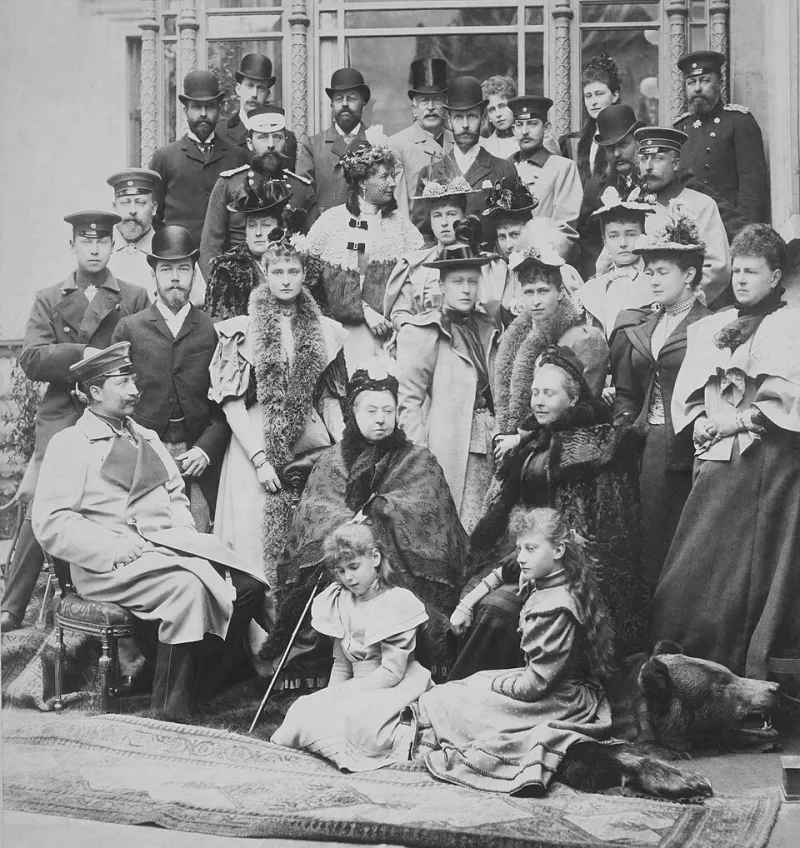
Photo: Eduard Uhlenhuth, Public domain, via Wikimedia Commons
There is a version of your mother you will never meet.
She existed at twenty-two, before the mortgage, before you, before the version you know got locked in. She had opinions she changed, a band she loved, a friend she stopped speaking to for reasons nobody wrote down. You know almost none of it, because parents arrive in a child's life already finished, already cast in the role.
Games usually keep it that way. Mom is a save point. Dad is a mission briefing. The family exists to motivate the hero, not to be examined. A handful of indies have decided to turn the camera around and look at the people standing behind the protagonist — not to redeem them, and not to convict them, but to notice that they're full people who happen to be related to you.
Open Roads and the Boxes in the Attic
Open Roads puts you in a station wagon with your mother, driving toward a house you're about to sell after your grandmother's death. The premise is a road trip; the actual game is a long, fidgety conversation with someone you love and don't entirely like.
What it does beautifully is withhold. You find letters and photographs in boxes, and they don't resolve into a neat story. They resolve into a person — your mother — who made choices you're going to have to sit with. The game gives you dialogue options, but none of them are the righteous speech you want to deliver. The best you get is understanding, and it costs something to reach.
A Memoir Blue and the Swimmer
Cloisters Interactive's short, dreamlike piece takes an athlete's memory and floods it. You play a champion swimmer sorting through fragments of her childhood: a pool, a mother, a push and pull that never fully clears up.
What I keep returning to is how the game renders the mother as a woman with her own disappointments rather than a source of the protagonist's. She wanted things. She gave things up. She was not always kind about it. The game doesn't narrate any of that — it lets you swim through it until you feel the shape of a life that isn't yours.
Gone Home: The Marriage You Weren't Shown
Gone Home is remembered as a story about a sister, and rightly. But the parents are the quiet gut punch. You come home to an empty house and you read their notes, their schedules, their discarded drafts. A marriage that's tired. A mother with a job that pulled her away. A father whose writing career stalled out somewhere and who never quite said so.
None of it is a plot twist. It's just the ordinary machinery of two adults failing to be happy in a way their kids weren't supposed to notice. The brilliance is that you find it the way children always find it: sideways, through paper, after the fact.
Old Man's Journey, The Stillness of the Wind, and Aging as Landscape
Old Man's Journey is wordless. You drag hills and valleys to let an old man walk, and every so often the game shows you a memory: a wife, a daughter, a choice he made about work that cost him years he can't get back. He never explains himself. He just keeps walking.
The Stillness of the Wind is set on a farm where an elderly woman named Talma waits for letters that get shorter and rarer. Her family has left for the city. She talks to a goat. The game is slow and specific about what old age actually looks like — routine, small losses, a house that keeps getting quieter.
Both games understand that old people are usually rendered as symbols in this medium. Here they're just people with errands and regrets and declining mobility.
Hindsight and the House That Won't Shut Up
Hindsight begins after a mother's death, with a daughter going through a house full of objects. The twist is mechanical: the game invites you to look at any object from your past and see where it takes you.
The result is a portrait of a woman assembled out of what she kept. Kitchenware, clothes, half-finished projects. And a daughter who has to admit that the version of her mother she's been angry at for decades is not the only one available.
Understanding Isn't the Same as Forgiving
Here's what I appreciate about all of these games: none of them demand a hug at the end.
Seeing your parents as people is not the same as excusing them. It can actually make things harder — a father who was absent because he was unhappy is more complicated to hold than a father who was simply a villain. Forgiveness is easy when the story is simple. Understanding takes work and doesn't promise a payoff.
These games know that. They end on ambiguity. A car ride that continues. A pool that drains. A house you leave. Nobody delivers an apology speech, because in real families nobody does.
The Homework Nobody Assigns
If there's a thesis here, it's this: the most generous thing you can do for a parent is to stop treating them as a parent for a minute. Ask about the year before you. Ask what they wanted to be. Ask about the friend they stopped speaking to.
Most of us won't, and the games above will sit in our libraries as a reminder of the conversation we keep meaning to have. That's what the best of this medium does — it makes the unasked question feel loud enough to finally ask.