You Remember It Wrong (And So Do I): Indie Games and the Sibling Memory Truce

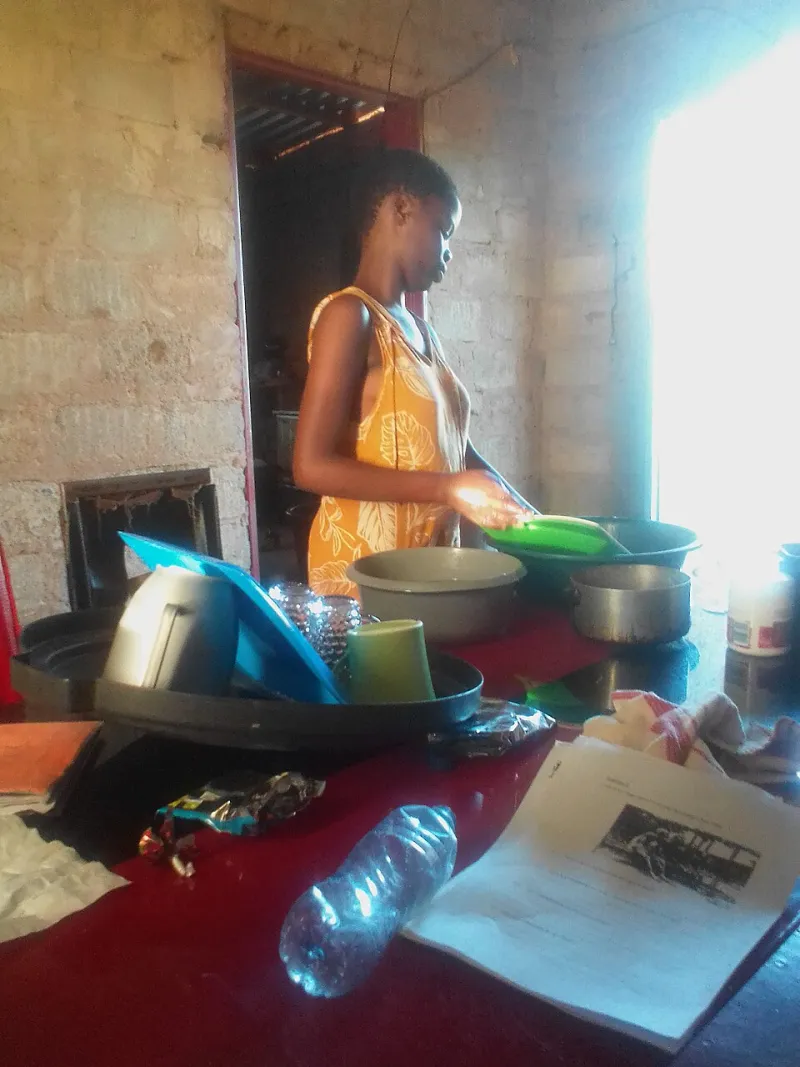
Photo: Renee Grayson from Las Vegas, USA, CC BY 2.0, via Wikimedia Commons
The First Person Who Knew You
My sister remembers the kitchen as yellow. I remember it as white. One of us is lying. Maybe both of us. Maybe memory is less a recording than a group project where everyone did a different section and nobody checked the citations.
Siblings are the first people who knew you before you had a personality worth defending. They knew you when you were just a kid who cried at a birthday party because the cake was the wrong shape. That is why arguments with them are never really about the kitchen. They are about who gets to be the authority on your shared history. They are about who gets to say: this is what happened, and this is who you were.
Indie games have started to understand this. Not as a sidekick dynamic. Not as tragedy fuel. As a long negotiation over memory, old roles, and who gets to be the reliable one.
Brothers: A Tale of Two Sons and the Body Remembers
Brothers: A Tale of Two Sons is the obvious example, but it earns it. You control two brothers with one controller, one stick each. The older brother is the strong one. The younger brother is the scared one. The game makes you hold both roles at once, literally, until your hands forget which is which.
Then the game takes one away. The controls change. The body remembers what the story is trying not to say. That is what sibling memory feels like: a muscle you did not know you were using until it is gone. The game does not ask who remembered it correctly. It asks who carried it.
Gone Home: The Sister You Did Not Know You Had
Gone Home is about coming back to an empty house and reconstructing your sister's life from notes, zines, and the things she left behind. You think you know her. The house disagrees. You find evidence of a person who existed outside the version of her you kept in your head.
The game does not force a confrontation. It forces a revision. You have to sit with the fact that you were not paying attention, or that you were paying attention to the wrong things. That is a very specific sibling guilt. It is not the guilt of doing something terrible. It is the guilt of being absent from a story you thought you were part of.
What Remains of Edith Finch: The Family Story That Eats Itself
What Remains of Edith Finch is about a family that tells stories about itself until the stories become the family. Siblings appear as ghosts in the archive. Everyone remembers the same house differently. Everyone has a version of the tragedy that makes them feel like they were there, or that they were not responsible, or that they were loved.
The game knows that memory is a collaborative fiction. It does not offer a correct version. It offers a house full of versions, and you have to walk through all of them. That is what it feels like to go home for Thanksgiving and realize your brother has been telling a story about you for years that you do not recognize. You can correct him. You can get angry. Or you can ask why he needs that version.
Life Is Strange 2 and the Reliable One
Life Is Strange 2 is a bigger-budget narrative game, but it belongs in this conversation. Sean becomes a parent to his younger brother, Daniel, and the game is about the gap between what Sean intends and what Daniel remembers. You make choices. Daniel remembers them differently. He assigns you a role you did not agree to play.
That is the sibling trap. You become the reliable one, or the screw-up, or the one who left, and then you spend the rest of your life either living up to that role or trying to get out of it. The game does not let you escape cleanly. It lets you see the role from the inside.
The Truce Is the Point
Repair is not a cutscene. It is a text you send after three years. It is showing up to a hospital waiting room and not making it about you. It is saying, 'I remember it differently,' and then staying in the room anyway.
Indie games can hold that ambiguity in a way that film and television often cannot, because you are the one making the choices. You are the one walking through the house. You are the one holding both brothers with your hands. The game does not tell you who is right. It tells you that being right is not the same as being close.
In 2026, family estrangement is not a niche topic. It is a thing people live with. These games do not offer a fix. They offer a truce: a way to sit in the gap between 'that is not how it happened' and 'but it is how it felt,' and to admit that both of you are telling the truth about something.