
You Remember It Wrong (And So Do I): Indie Games and the Sibling Memory Truce
Siblings do not share a childhood so much as negotiate one. These indie games sit in the gap between 'that is not how it happened' and 'but it is how it felt.'
Category
10 articles
Siblings do not share a childhood so much as negotiate one. These indie games sit in the gap between 'that is not how it happened' and 'but it is how it felt.'
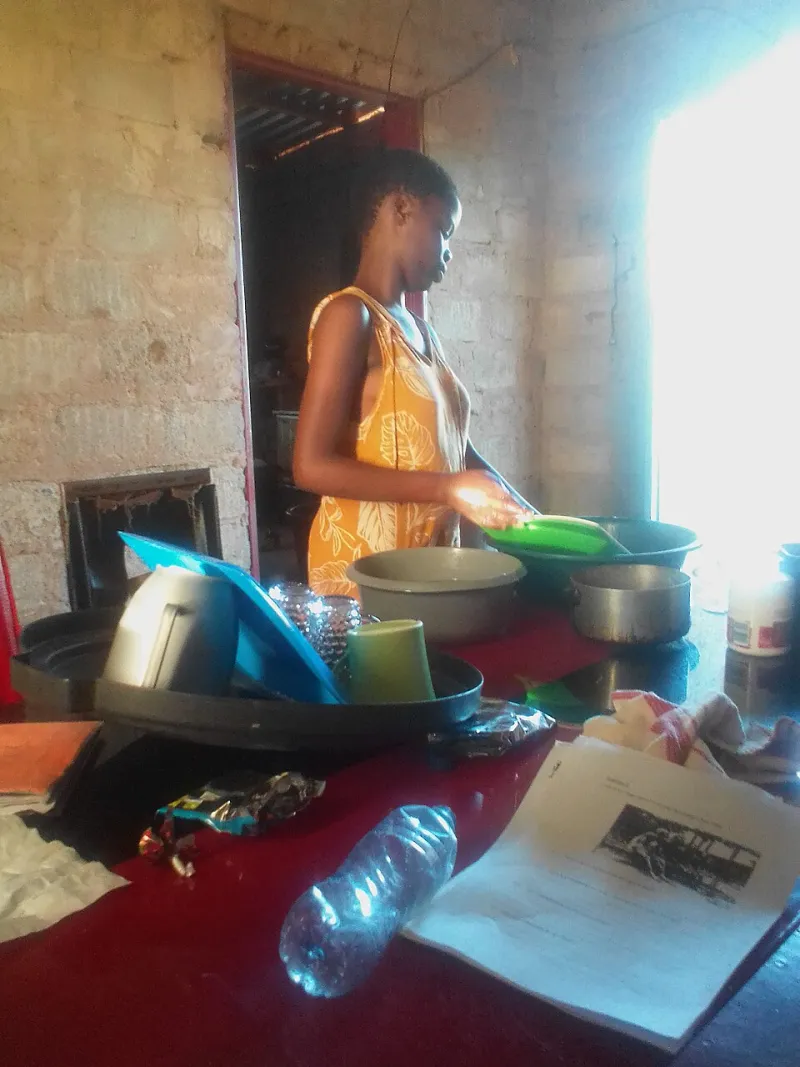
In most games, cooking is a buff and cleaning is a chore you skip. A growing group of indies makes caretaking the entire point — and says something honest about invisible labor, who performs it, and why it almost never shows up on a stat screen.
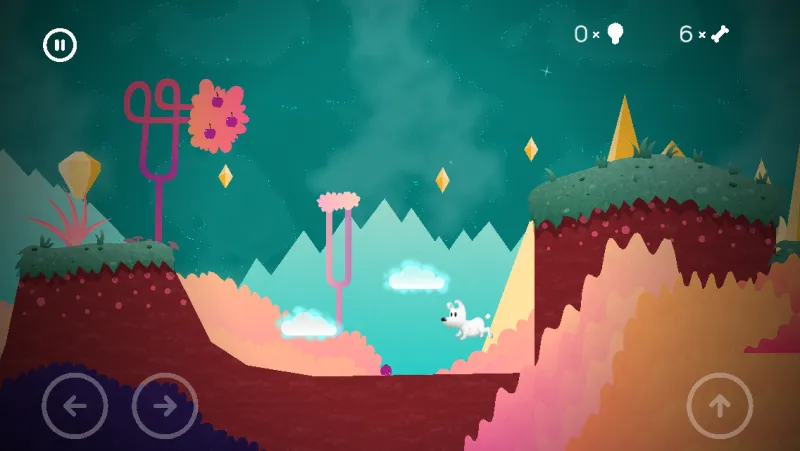
Melancholy has become indie gaming's house style — and it might be boxing in the very designers it was supposed to free. A case for taking joy as seriously as sorrow.
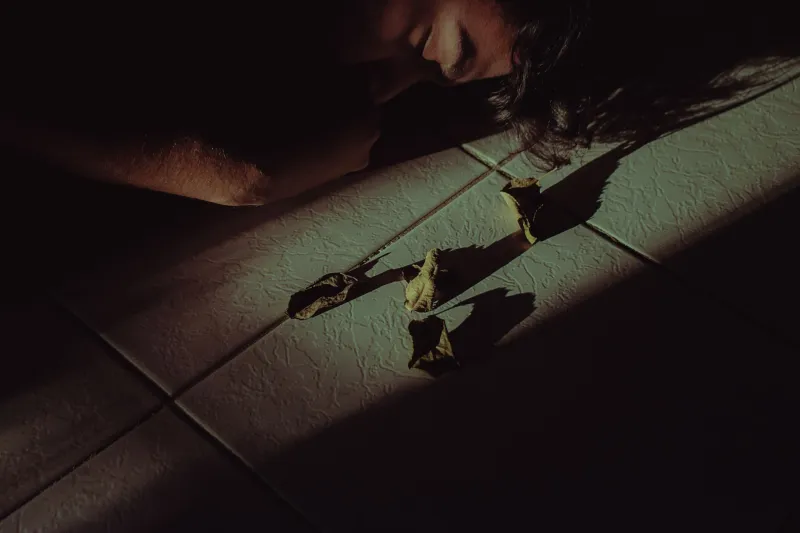
Most games treat anger like a problem to solve — a stat to manage, a mood to move past. A growing wave of indie developers is pushing back hard on that idea, building experiences where fury isn't a flaw in the player character. It's the whole point.
Somewhere between a dialogue prompt and a pixelated smile, indie games have figured out how to make you genuinely care about characters who don't exist. It's a little embarrassing, honestly — and also kind of profound. Here's why the NPCs in your favorite indie games might be filling a gap that real people haven't.

Most games are built around the assumption that you'll finish them. But a growing number of indie developers are designing experiences where walking away isn't a failure state — it's the whole emotional idea. This is about what those games understand about us that most of the industry refuses to acknowledge.
A handful of indie games have figured out that violating your trust is one of the most honest things they can do. This is about the titles that pulled the rug out — and why that betrayal hit different from a cheap twist.
Some indie games don't want you to feel good about yourself when the credits roll. They hand you the controls, let you make terrible choices, and then hold up a mirror. It's uncomfortable, it's brilliant, and it might be the most honest thing games can do.
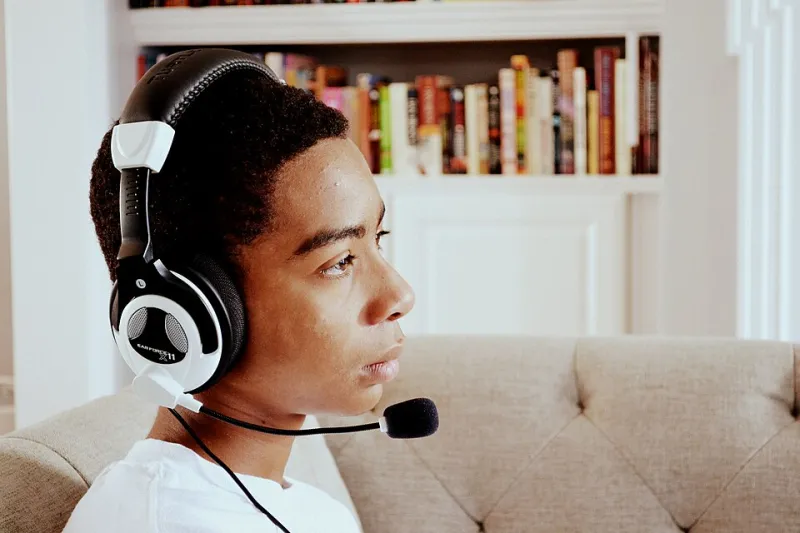
Mental health professionals are noticing something their patients are already living: certain indie games are doing therapeutic work in the spaces between formal treatment. This is about the players who found something real inside a fictional world — and what that means for how we think about games at all.
Competitive multiplayer promised us a world of connection, but for millions of players, logging off feels lonelier than logging on. We dig into why the loudest gaming spaces often feel the emptiest — and how a handful of indie developers are quietly building something better.